
Support the Legacy Mine Cleanup Act of 2025 (S.2741)
Introduced: July 30, 2025
Latest Action: Passed the Senate on November 19, 2025
Sponsor: Senator Mark Kelly (D-AZ)
Purpose: To create the Office of Mountains, Deserts, and Plains office to accelerate cleanup of abandoned hard-rock mines leaking toxic pollutants into U.S. waterways, soil, and communities. The bill protects public health, restores ecosystems, and reduces long-term contamination risks.
Historical Context
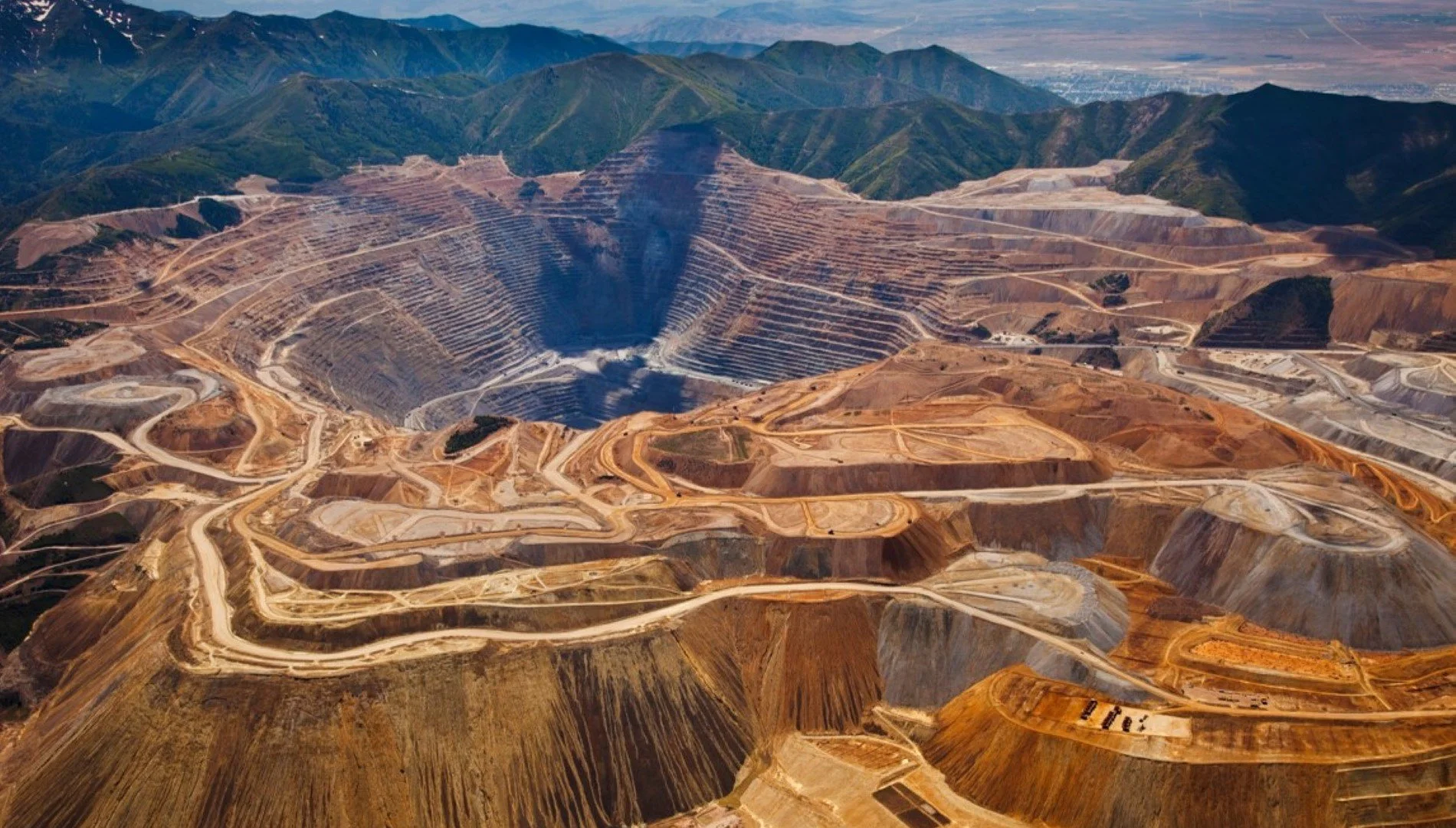
Over 500,000 abandoned hard rock mines exist across the U.S. Decades of underfunded or scattered cleanup efforts left communities exposed to heavy metals like lead, arsenic, cadmium, and mercury. Recent climate stress (floods, heavy rain) worsens mine runoff, increasing contamination risk. EPA already recognizes abandoned mines as a serious threat through programs like Office of Mountains, Deserts, and Plains (coordinates cleanup in Western and rural areas), Good Samaritan Remediation Program (allows voluntary cleanup by eligible parties without full liability), and Abandoned Mine Lands Program (oversees investigation and cleanup of mine sites threatening water, soil, and ecosystems)
Specifics of the Bill
Establishes the Office of Mountains, Deserts, and Plains within the EPA.
Coordinates nationwide cleanup of abandoned mines and contaminated waterways
Provides funding and technical support to states, tribes, and local governments.
Prioritizes remediation in communities with the highest environmental health risks.
Implements ongoing monitoring to prevent future contamination.
Time Sensitivity
Abandoned mines continue releasing toxic metals daily.
Flooding and storms can spread contamination more rapidly.
Immediate action prevents long-term environmental damage and health hazards.
Why You Should Care Right Now
Many communities, especially in the West and on tribal lands, live near abandoned mines that leak poison into streams and soil. Every day without cleanup exposes families to toxic metals, contaminates drinking water, and harms ecosystems. Acting now ensures safe water, healthier communities, and restored environments.
Specific Benefits of the Bill
Reduces exposure to lead, arsenic, mercury, etc.
Cleans rivers, soil and ecosystems, supporting wildlife.
Prevents hazardous runoff during floods or storms.
Creates jobs and restores lands for recreation and tourism.
Prioritizes communities historically burdened by abandoned mines.
Establishes monitoring and federal coordination to prevent future contamination.
Potential Economic Impact
Job creation in cleanup, engineering, hydrology, and environmental science.
Reduced healthcare costs from fewer pollution-related illnesses.
Long-term savings by preventing future contamination and disaster response costs.
Local economic growth through restored lands and recreational areas.
Possible Costs:
Upfront federal spending for cleanup programs, staffing, and monitoring.
Compliance costs for nearby industries facing stricter oversight.
Administrative expenses for coordination across federal, state, and local levels.
Who Supports This Bill:
Environmental Organizations
Tribal governments
Western state leaders
Public health groups
Water Conservation Advocates
Communities affected by abandoned mines
Who Opposes This Bill:
Mining industry groups concerned about increased regulation
Some Lawmakers from regions that do not have abandoned mines
Public Engagement/ What People Can Do
Contact your senators and House members to urge support for this bill.
Join advocacy groups focused on mine cleanup.
Share information on social media with hashtags like #MineCleanupNow
Attend town halls or community meetings to highlight local mine risks.
Participate in educational workshops about abandoned mines.
EPA Programs Supporting this Effort
Office of Mountains, Deserts, and Plains (OMDP)
Good Samaritan Program
Abandoned Mine Lands Program